Nature Guide
Cape Vidal Road Guide
A cautious Cape Vidal road guide for the drive from St Lucia through iSimangaliso, using first-hand archive context and current-detail verification reminders.
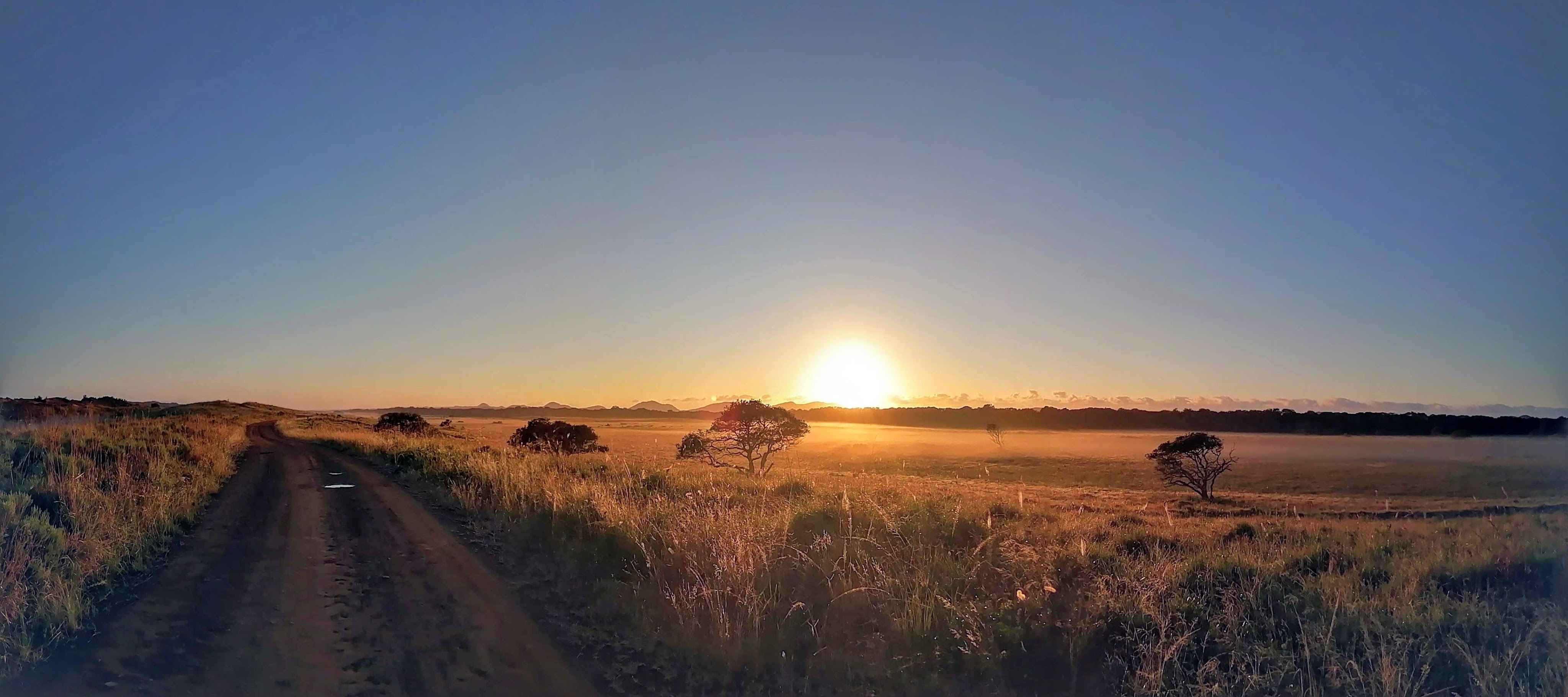
Road guide overview
The road to Cape Vidal is one of the reasons Cape Vidal works so well as a Nature and Stuff destination. The archive material treats the drive as part of the experience: a slower route through protected landscapes before reaching the coast.
This guide uses that first-hand archive context, but it does not confirm current road conditions, gate times, access rules, vehicle requirements, park rules, fees or wildlife sightings. Check official iSimangaliso and conservation sources before driving to Cape Vidal.
Use this page as the focused road and route companion to the main Cape Vidal guide.
What the road to Cape Vidal is like
The legacy road post describes the Cape Vidal drive as more than a simple transfer. It moves through natural vegetation and protected-area scenery, which is why the journey can feel like part of the destination rather than just the way to get there.
That archive impression is useful, but it is historical. Do not use it to assume the road is currently in the same condition, that the same access rules apply, or that a particular vehicle will be suitable.
For current planning, verify:
- Road condition and access updates.
- Gate times and entry requirements.
- Conservation fees or permit requirements.
- Weather, flooding or temporary closures.
- Vehicle suitability for the latest conditions.
Why the drive is part of the experience
Cape Vidal is often more memorable when the drive is treated slowly. The route can build the feeling of moving from town and services into a more nature-led coastal setting.
The best way to plan the drive is to give it space:
- Avoid rushing the route.
- Treat stops and sightings as part of the outing.
- Keep plans flexible enough for slow driving.
- Respect protected-area rules and wildlife.
- Think of the beach arrival as the end of a wider iSimangaliso route, not an isolated destination.
If you only need the broad destination overview, start with the Cape Vidal hub. If you are choosing where to sleep, use Cape Vidal accommodation.
Wildlife and scenery context
The archive connects the Cape Vidal road with coastal forest, open landscapes and the possibility of wildlife along the route. That is part of the appeal, but wildlife sightings should never be promised.
A good road experience might include animals, birds, quiet scenery, changing vegetation, or simply the feeling of moving through a protected landscape. A quiet drive can still be worthwhile if the trip is planned for scenery and atmosphere rather than guaranteed sightings.
This video comes from the Nature and Stuff archive. Treat it as earlier first-hand footage, not as a current road-condition report.
Driving from St Lucia and Eastern Shores context
For many visitors, St Lucia is the practical base for Cape Vidal. The archive repeatedly connects St Lucia, iSimangaliso, the Eastern Shores and Cape Vidal, which makes the route useful for travellers planning a northern KZN nature-and-beach trip.
Use things to do in St Lucia if you are still deciding whether St Lucia should be your base. Use the iSimangaliso guide for the broader protected-area context.
This page does not confirm current entry points, section names, park boundaries, gate access, route status or official terminology. Verify those details before travelling.
What to prepare before the drive
The safest approach is to prepare as if services may be limited once you are inside the protected-area route.
Before you leave, consider:
- Fuel and vehicle readiness.
- Water, snacks and basic day supplies.
- Weather and recent rain.
- Current gate times and access rules.
- Conservation fees, permits or booking requirements.
- Phone signal limitations.
- Wildlife safety and park rules.
- Time needed for a slow return journey.
Do not rely on earlier archive notes for current logistics. They are useful for understanding the character of the drive, not for confirming operational details.
What should you know before driving to Cape Vidal?
Know that the drive is part of the Cape Vidal experience, but current details matter more than nostalgia.
Check official sources for:
- Road conditions.
- Gate times and closures.
- Access rules and fees.
- Vehicle requirements.
- Weather or flood impacts.
- Beach and activity rules if you plan to continue to the coast.
- Wildlife and visitor safety guidance.
Plan conservatively, drive slowly and allow the route to be part of the day.
How this road guide links to Cape Vidal, iSimangaliso and St Lucia
Use this road guide when the route itself is the question.
Use the linked pages for adjacent planning:
- Cape Vidal guide for the destination hub.
- Cape Vidal accommodation for stay planning.
- Cape Vidal log cabin layout for historical cabin and campsite layout photos.
- iSimangaliso Wetland Park for the broader protected-area context.
- Things to do in St Lucia for base planning.
- Best beaches in KZN for coastal comparisons.
- Things to do in KZN for a wider itinerary.
Source and verification note
This page is based primarily on the Nature and Stuff archive source The Road at Cape Vidal, with supporting context from the wider Cape Vidal and iSimangaliso archive.
The road material is treated as earlier first-hand context. This page intentionally avoids current road-condition claims, gate times, access rules, park rules, fees, beach or swimming safety guidance and wildlife guarantees. Verify current details through official iSimangaliso or conservation sources before travelling.