Travel Guides
Kruger National Park Trip Notes
A Nature and Stuff Kruger guide for first-hand trip notes, Berg-en-Dal context, Shingwedzi memories, wet-season birding and cautious South African wildlife planning.
Quick answer
This Kruger guide brings together Nature and Stuff trip notes from Kruger National Park, including Berg-en-Dal, Shingwedzi, wet-season birding and nearby lowveld travel context.
It is not a current SANParks information page and it does not confirm bookings, camp facilities, gate times, prices, road conditions or animal sightings. Use it for first-hand context, then verify all practical details with current official sources before planning a trip.
Why Kruger is worth planning carefully
Kruger can be a very different trip depending on where you stay, how much time you have and whether you prefer busier southern routes, quieter northern camps, birding, landscape or headline wildlife sightings.
The Nature and Stuff notes are not a complete Kruger guide, but they are useful for comparing a few real trip angles: Berg-en-Dal as a practical camp experience, Shingwedzi for a more remote northern feeling, wet-season birding and lowveld stops around Hoedspruit and Swadini.
What the archive supports
Berg-en-Dal and first Kruger trips
The Berg-en-Dal archive note is useful because it is practical and personal: a short stay, a strong wildlife experience and a clear sense that the camp worked well as a starting point for that route.
The original post mentions seeing four of the Big Five, wild dogs near the car and a leopard with a kill. Those sightings are part of the historical trip note, not a promise for future visitors.
Shingwedzi and quieter northern memories
The Shingwedzi material points to a different Kruger feeling: remoteness, the northern park atmosphere and fond memories of drives away from the busier southern routes. This is valuable because it helps the Kruger hub avoid being only a generic “best camp” page.
Wet birds and patient wildlife watching
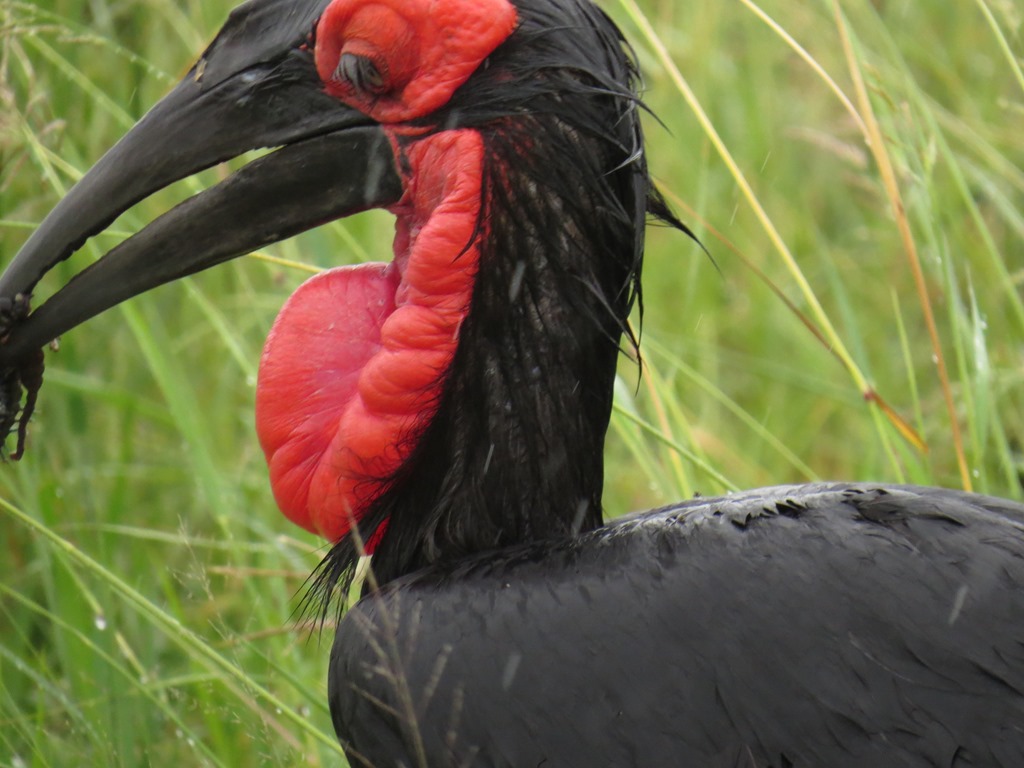
The wet-birds archive gives this cluster a birding angle. It also fits the wider Nature and Stuff tone: wildlife travel is not only about headline animals. Birds, weather, water, quiet roads and small observations can make a trip memorable.
Hoedspruit and Swadini context
The Swadini/Hoedspruit archive material sits near the Kruger travel ecosystem. It should not replace a Kruger guide, but it is useful context for bush breaks, Blyde River Canyon scenery and access toward Orpen Gate.
How to use this guide
Use this guide as a starting point for the Kruger material on Nature and Stuff. It is most useful when you want to compare different trip moods rather than choose a single “best” camp.
Start with the section that matches your planning question:
- Berg-en-Dal for a practical rest-camp stay.
- Shingwedzi for northern Kruger atmosphere.
- Wet birds for slower wildlife watching.
- Hoedspruit and Swadini for lowveld add-on context.
Then check current SANParks or official travel information before making any bookings.
Before you plan a Kruger trip
Check current official sources for:
- Camp availability and booking rules.
- Gate times, conservation fees and entry requirements.
- Road conditions, closures and route restrictions.
- Fuel, food, shop and restaurant availability.
- Wildlife safety rules and self-drive guidance.
- Weather, flood risk and seasonal conditions.
The Nature and Stuff archive is useful for first-hand travel flavour, but it is older material. Do not use it as current operational guidance.
Related South African wildlife pages
Use KZN game reserves if you are comparing KwaZulu-Natal safari options. Use Rietvlei Nature Reserve for a shorter Gauteng reserve drive. Use Mabalingwe for Limpopo bush-resort and wildlife-observation archive material.
Source and verification note
This page is based on Nature and Stuff legacy posts about Berg-en-Dal, Shingwedzi, wet birds in Kruger and nearby Swadini/Hoedspruit travel context. It intentionally avoids current operational details and treats all sightings as historical archive context only.